Google's Fitbit brand quietly got its first genuinely new piece of hardware in years back in May 2026: the Fitbit Air, a screen-less wrist tracker built to compete with devices like WHOOP and the Amazfit Helio. It's now in stock at trewrld, so here's an honest look at what it actually does, how it stacks up against a normal Fitbit, and who in Kenya should actually consider one.
What the Fitbit Air Is (and Isn't)
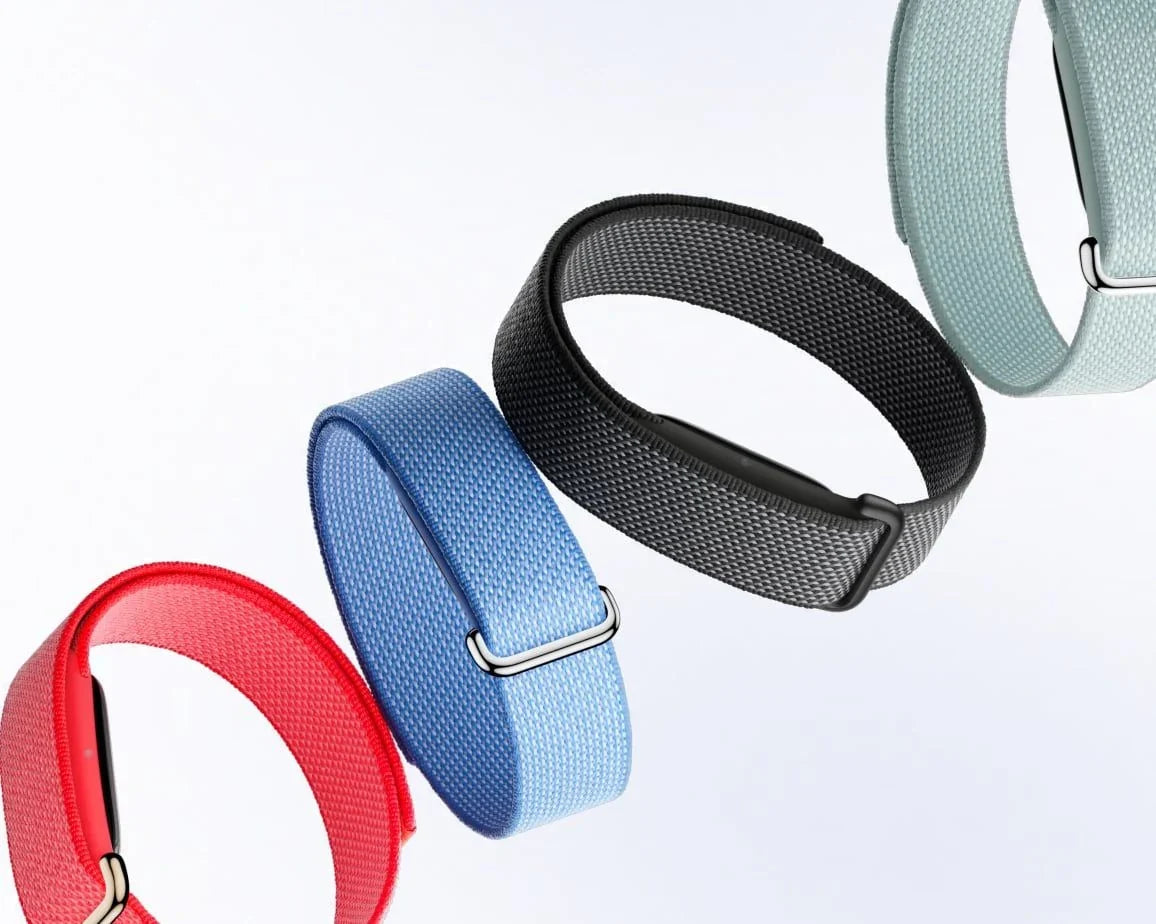
The Fitbit Air has no display at all. It's a 12-gram pebble-shaped tracker, 34.9 x 17 x 8.3mm, that clips into a band and stays on the wrist 24/7 — the idea being that a screen is one more thing pulling your attention, so Google removed it entirely. Instead, all your data lives in the Google Health app on your phone.
Under the hood it runs an optical heart rate monitor, a 3-axis accelerometer and gyroscope, red/infrared sensors for SpO2 (blood oxygen), and a skin temperature sensor. It tracks 24/7 heart rate, sleep stages and sleep score, heart rate variability (HRV), weekly cardio load and readiness, and can flag irregular heart rhythms consistent with AFib. Battery life is rated at up to 7 days, with a 5-minute quick charge good for a full day, and it's water resistant to 50 metres. A magnetic charger gets it from 0 to 100% in about 90 minutes.
Crucially, unlike a Pixel Watch, the Fitbit Air works with both Android and iOS, which makes it a genuinely useful option in mixed-phone Kenyan households. Every purchase includes 3 months of Google Health Premium (the AI-powered Google Health Coach), which normally runs $9.99/month after that — though the core tracking features (heart rate, sleep, steps, workouts) work without any subscription at all.
Fitbit Air vs a Regular Fitbit: Which One Do You Actually Want?
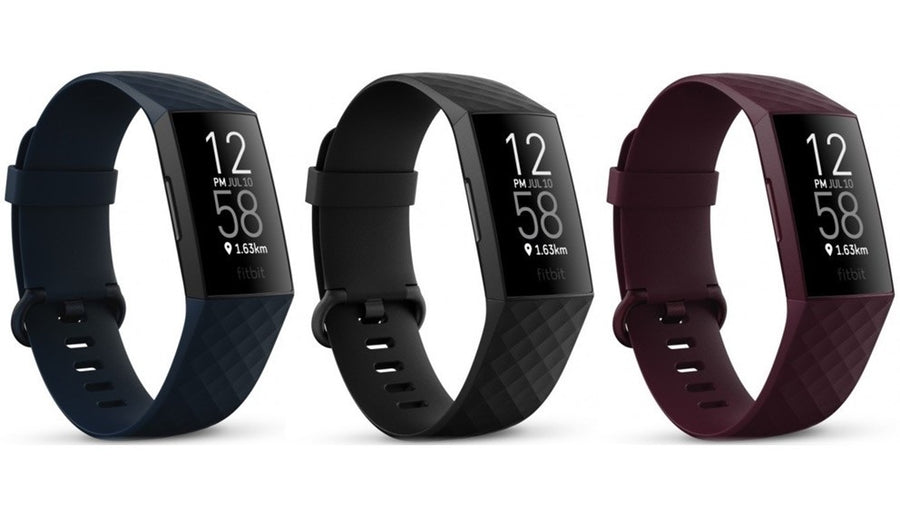
trewrld also stocks Fitbit's screen-equipped trackers, like the Fitbit Charge 4, and the comparison comes down to one question: do you want to glance at your wrist for the time, notifications, and step count, or do you want the tracker to disappear?
A Fitbit Charge 4 gives you an actual display, on-wrist notifications, and built-in GPS for mapping runs without your phone — useful if you run or cycle around Nairobi's Karura Forest or Ngong Road and want a route logged without carrying your phone. The Fitbit Air trades all of that away for something smaller, lighter, and less distracting, with a longer runway between charges. It's a better fit for sleep tracking specifically (nobody wants a bright screen on their wrist at night) and for anyone who finds a smartwatch more of a notification firehose than a helpful tool.
Neither is objectively better — it depends on whether you actually use a wearable's screen, or whether it just becomes one more source of notifications you end up ignoring.
Getting One in Nairobi
The Fitbit Air is available at trewrld with M-Pesa, Visa/Mastercard, and bank transfer accepted, same-day delivery in Nairobi, and delivery across East Africa. Since it works with both Android and iOS, it's one of the few health wearables in the store that doesn't lock you into a phone ecosystem — genuinely relevant here, where Android dominates but plenty of households run a mix of Android and iPhone.


FAQ
Does the Fitbit Air work with iPhone?
Yes. Unlike Google's Pixel Watch, the Fitbit Air pairs with both Android and iOS through the Google Health app.
Do you need a subscription to use it?
No. Core features like 24/7 heart rate, sleep tracking, SpO2, and workout tracking work without any subscription. Only the AI-powered Google Health Coach requires Google Health Premium after the included 3-month trial.
Is it waterproof for swimming?
It's water resistant to 50 metres, which covers swimming and showering, though it isn't marketed as a dedicated dive or scuba tracker.
trewrld | Queensway House, Kaunda Street, 2nd Floor Room 13, Nairobi | 0722 700 018 | @trewrldke
M-Pesa, Visa/Mastercard & Bank Transfer accepted | Same-day delivery in Nairobi, 1 to 4 days countrywide, and delivery across East Africa (Uganda, Tanzania, Rwanda, Burundi, South Sudan)