Nairobi's content creators are shooting more 4K than ever — on flagship phones, mirrorless cameras, action cams, and drones. But a cheap or mislabelled SD card is still one of the most common reasons footage stutters, drops frames, or simply refuses to record in 4K. Here's what the letters and numbers stamped on an SD card actually mean, and which card you genuinely need.
What Class 10, U3, and V30 Actually Mean
Every SD card carries a few different speed ratings, and they're not decoration:
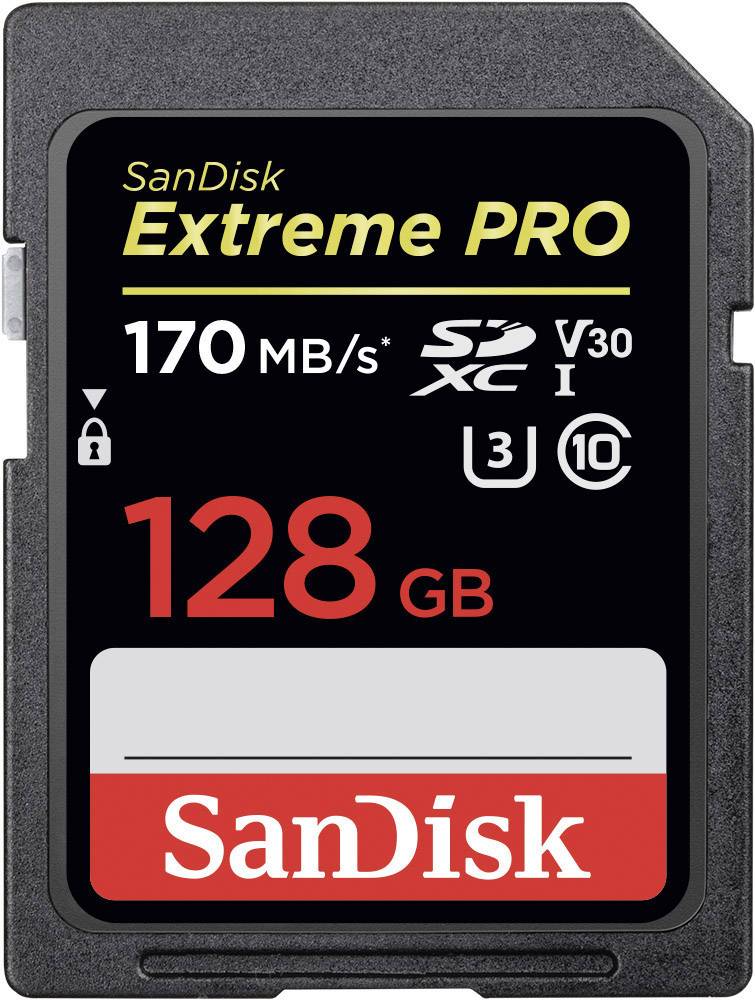
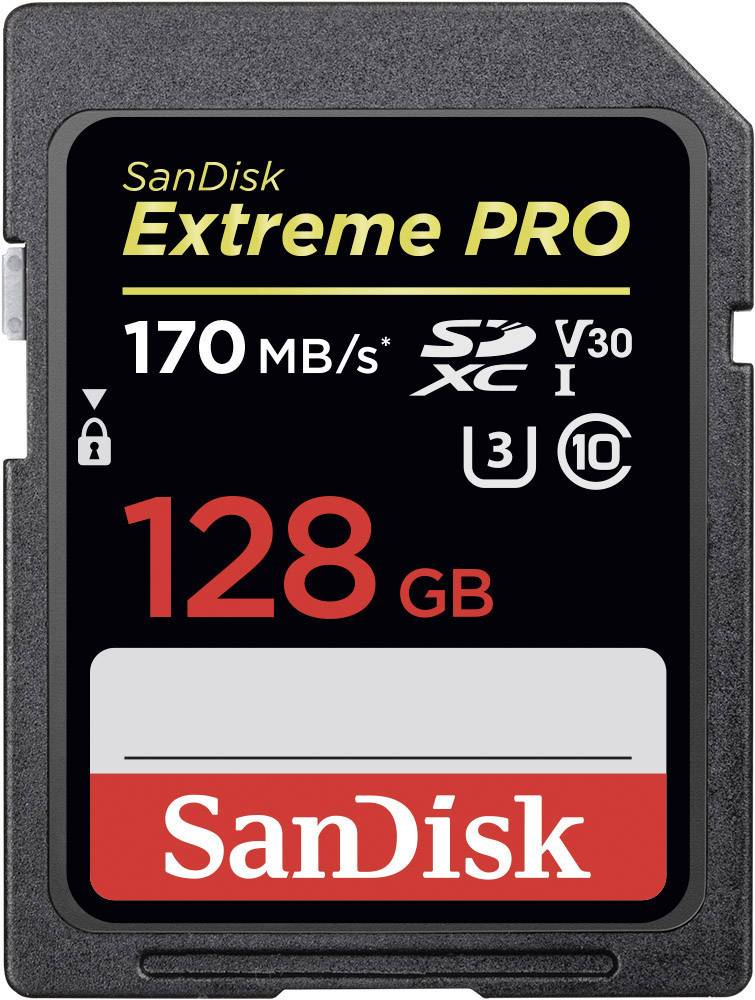
Class 10 / U3 guarantees a minimum sustained write speed of 10MB/s and 30MB/s respectively — the older ratings, mostly relevant for Full HD video and photo burst shooting.
Video Speed Class (V30, V60, V90) is the rating that actually matters for 4K: a V30 card guarantees at least 30MB/s of continuous write speed, which is the minimum most cameras and phones need to record 4K without dropped frames. V60 and V90 cards step up further, for 6K/8K or high-bitrate RAW video.
The MB/s number printed on the card (for example 150MB/s or 170MB/s) is usually the read speed, used for transferring footage off the card — not the write speed used while recording. A SanDisk Extreme Pro rated at 170MB/s read, for instance, writes at up to 90MB/s, comfortably above the V30 minimum.
How Much Card Do You Actually Need?
For phone 4K video (iPhone, Galaxy S-series, most flagship Android phones shooting 4K30 or 4K60), a V30/U3 card is enough — phones compress video far more than dedicated cameras, so they don't come close to saturating a V30 card's write speed.
For mirrorless or DSLR cameras shooting 4K, especially at higher bitrates or in 10-bit/log profiles, V30 is still the practical minimum; if the camera supports UHS-II and shoots high-bitrate 4K or 6K RAW, stepping up to a V60/V90 UHS-II card avoids buffer warnings mid-shoot.
For drones and action cameras, check the manufacturer's minimum card speed before buying — most consumer drones and action cams are rated for V30, but higher-end 4K/60 or 5.3K drone footage can call for V60.
Capacity matters too: a 64GB V30 card holds roughly two hours of 4K30 footage at typical bitrates, so creators doing full-day shoots — weddings, events, vlogs — are usually better off with 128GB or 256GB rather than juggling several smaller cards.
Buying SD Cards in Kenya: Watch for Fakes
Counterfeit and relabelled memory cards — cards flashed with firmware that reports a much larger capacity or faster speed class than they actually deliver — are a well-documented problem in electronics markets generally, and Kenya is no exception. A fake "256GB V30" card often has a fraction of that real capacity, and once it's full, it silently starts overwriting old files or corrupting footage. Buying from an authorized reseller who can show genuine SanDisk packaging and offer warranty support is the simplest way to avoid losing a client's wedding footage to a bad card.
trewrld stocks genuine SanDisk cards with warranty support, M-Pesa payment, and same-day Nairobi delivery:


FAQ
Will a regular Class 10 card work for 4K video?
It might work for short clips at low bitrates, but it isn't guaranteed to sustain the write speed 4K needs — you risk dropped frames or the recording stopping mid-clip. A V30-rated card is the safer minimum for any serious 4K shooting.
Do I need a UHS-II card for phone 4K video?
No. Phones use UHS-I microSD or don't use SD cards at all (relying on internal storage); UHS-II speeds matter mainly for cameras that support it, like higher-end mirrorless bodies.
How can I tell if an SD card is fake before buying?
Buy from an authorized retailer, check that the packaging and card print match SanDisk's official design, and be wary of prices that look far below market rate — genuine 256GB+ cards from reputable resellers rarely sell at a steep discount to official pricing.
trewrld | Queensway House, Kaunda Street, 2nd Floor Room 13, Nairobi | 0722 700 018 | @trewrldke
M-Pesa, Visa/Mastercard & Bank Transfer accepted | Same-day delivery in Nairobi, 1 to 4 days countrywide, and delivery across East Africa (Uganda, Tanzania, Rwanda, Burundi, South Sudan)